Chroma
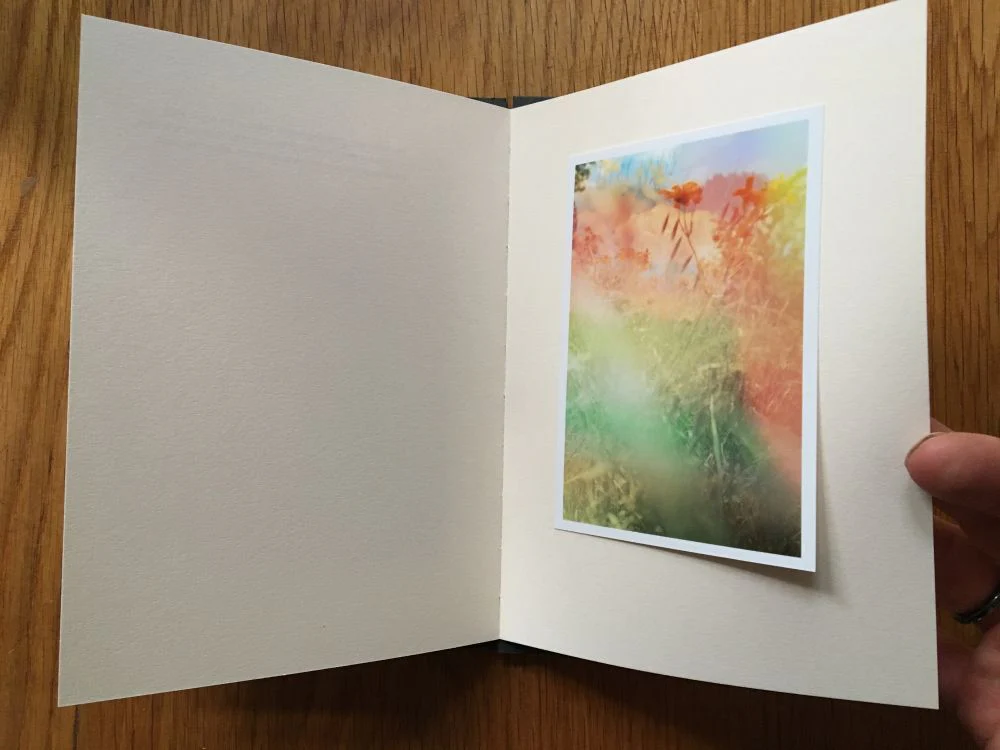
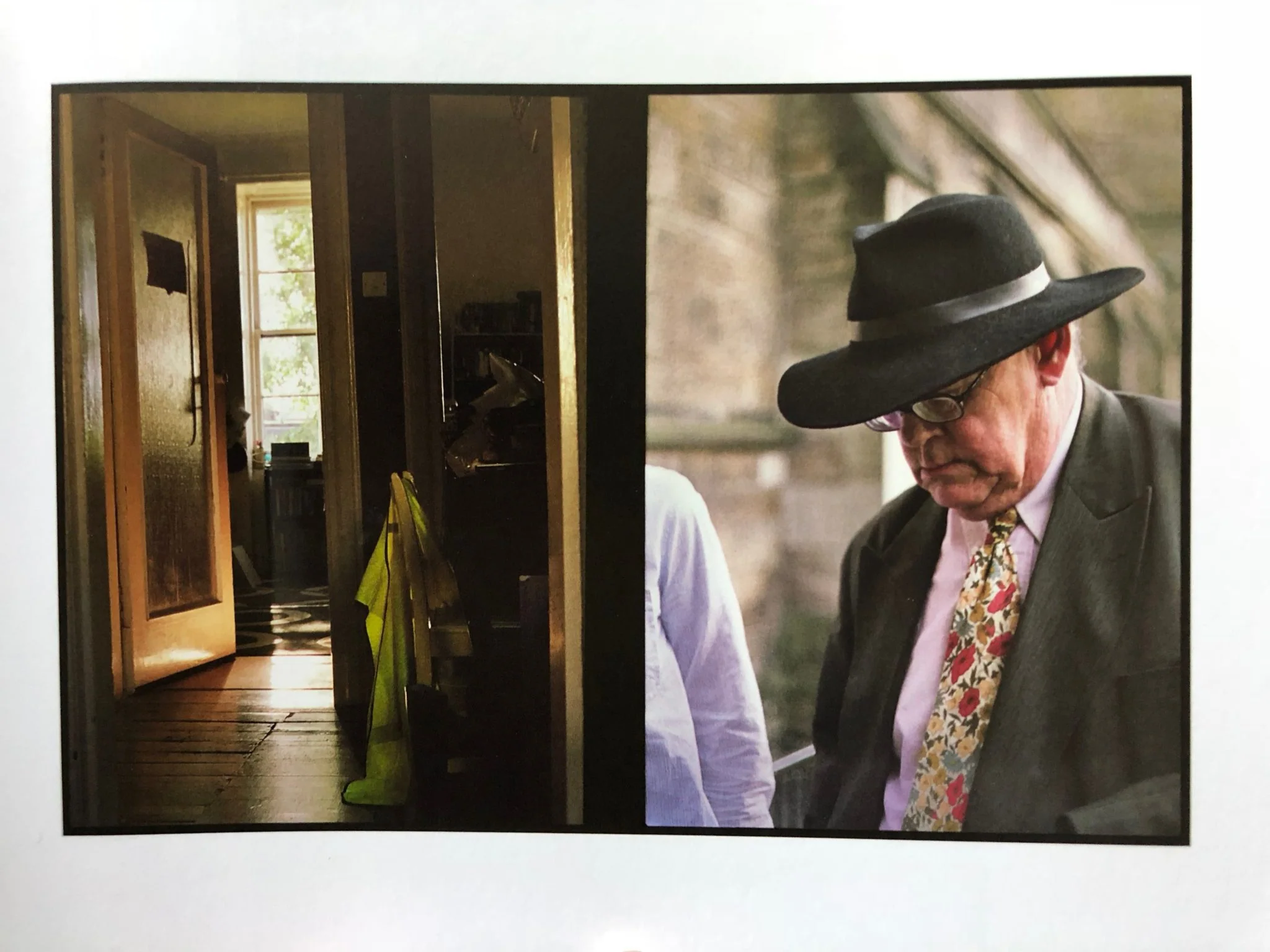
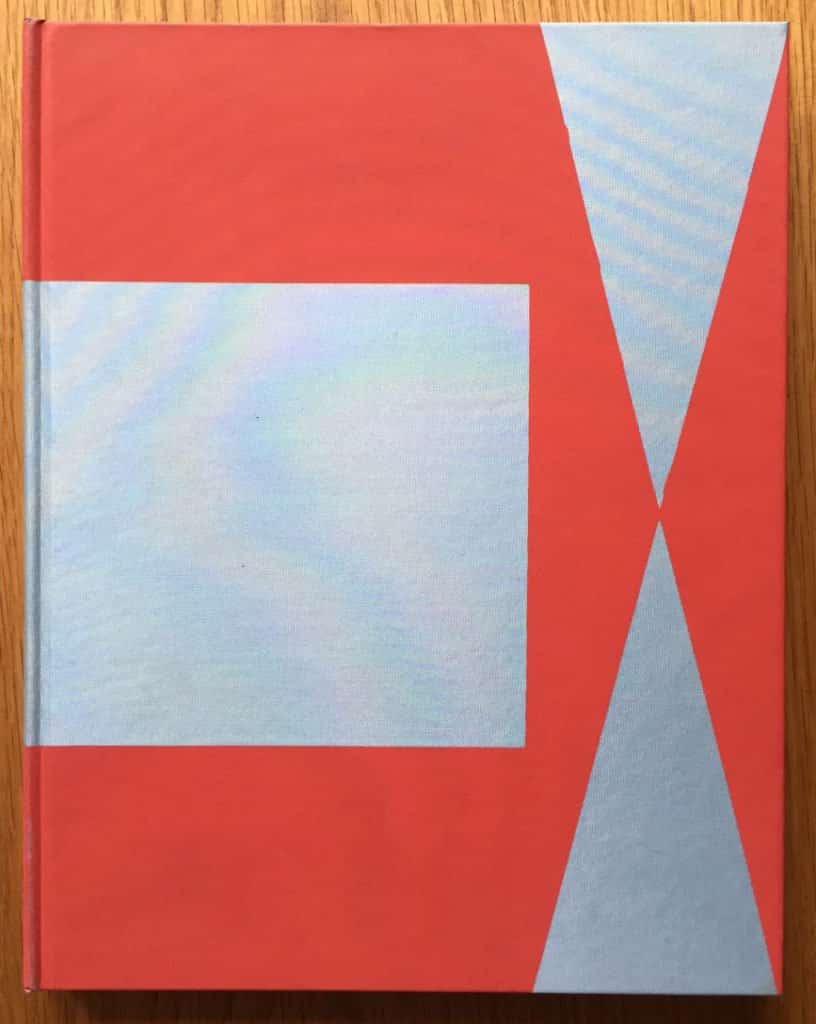
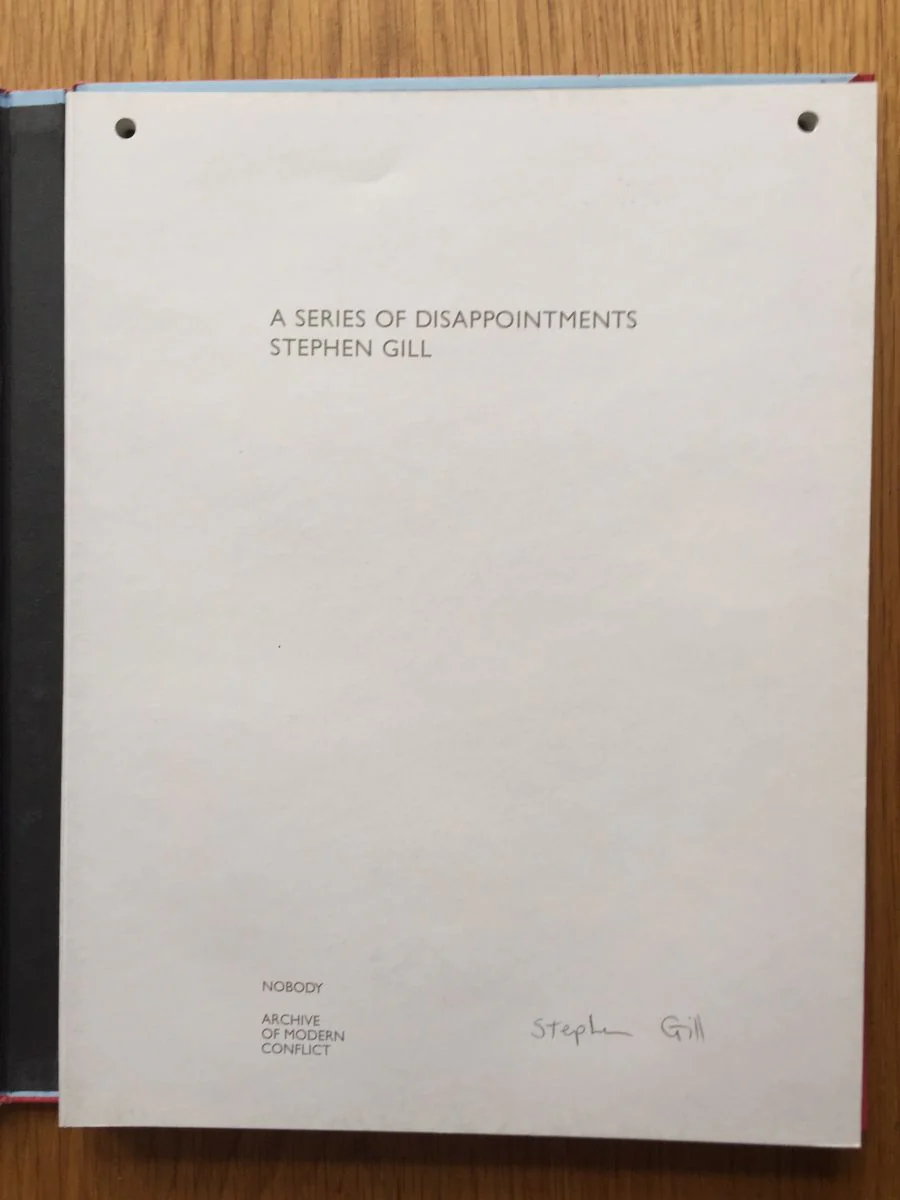
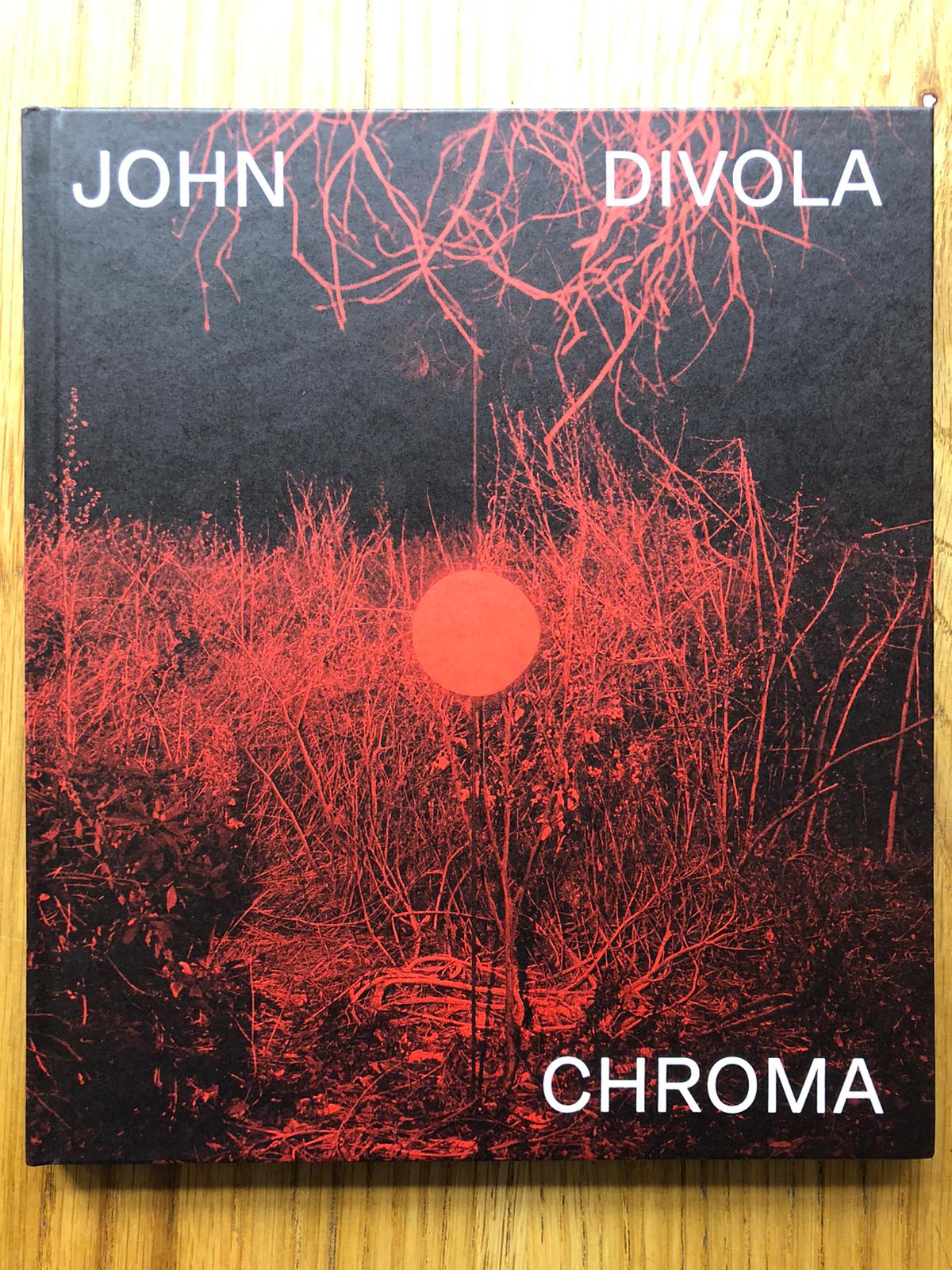
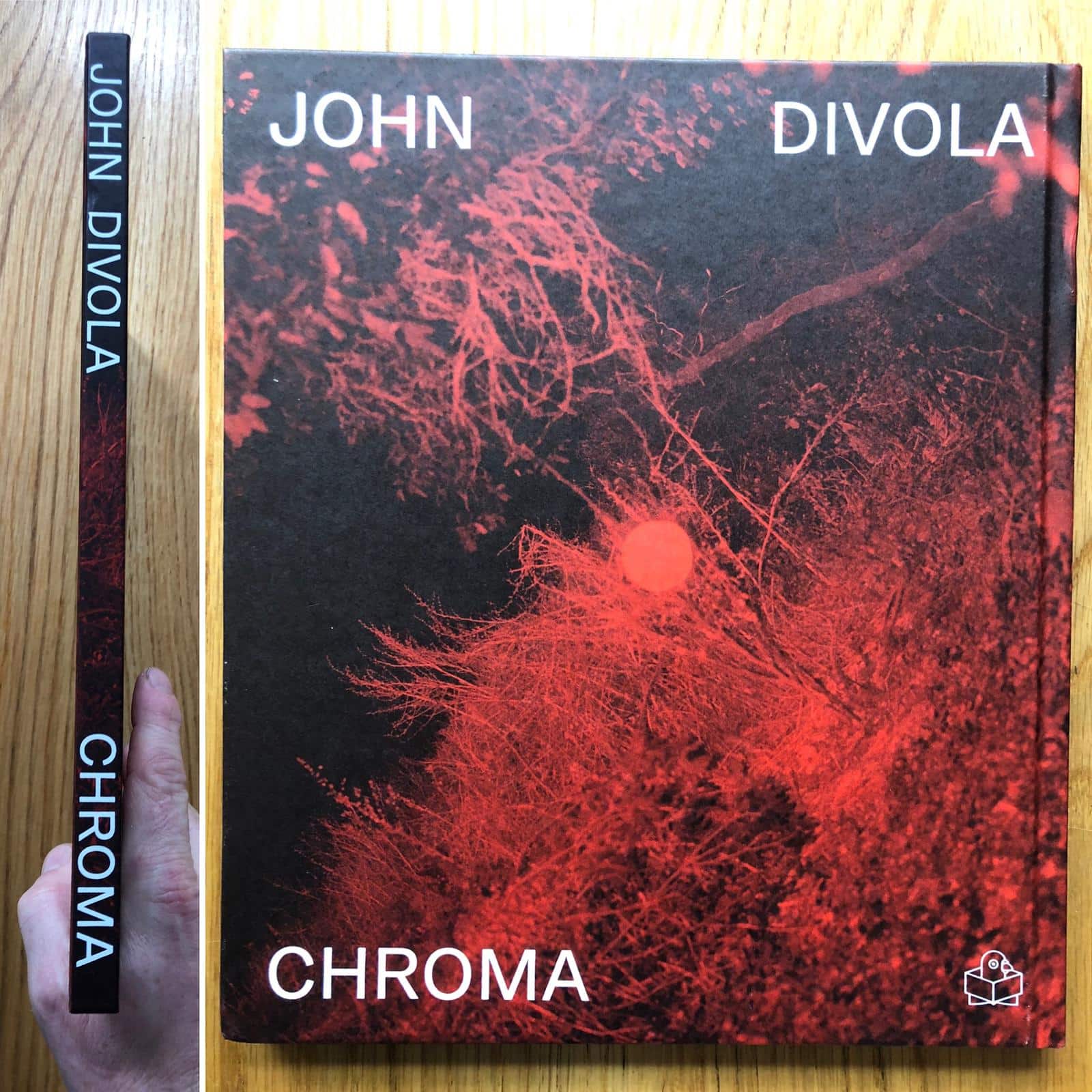
Chroma by John Divola. First edition. First impression. Large format hardback in new condition. No markings. This is a new book. Please see pictures. PayPal accepted, any questions please get in touch.
About Chroma
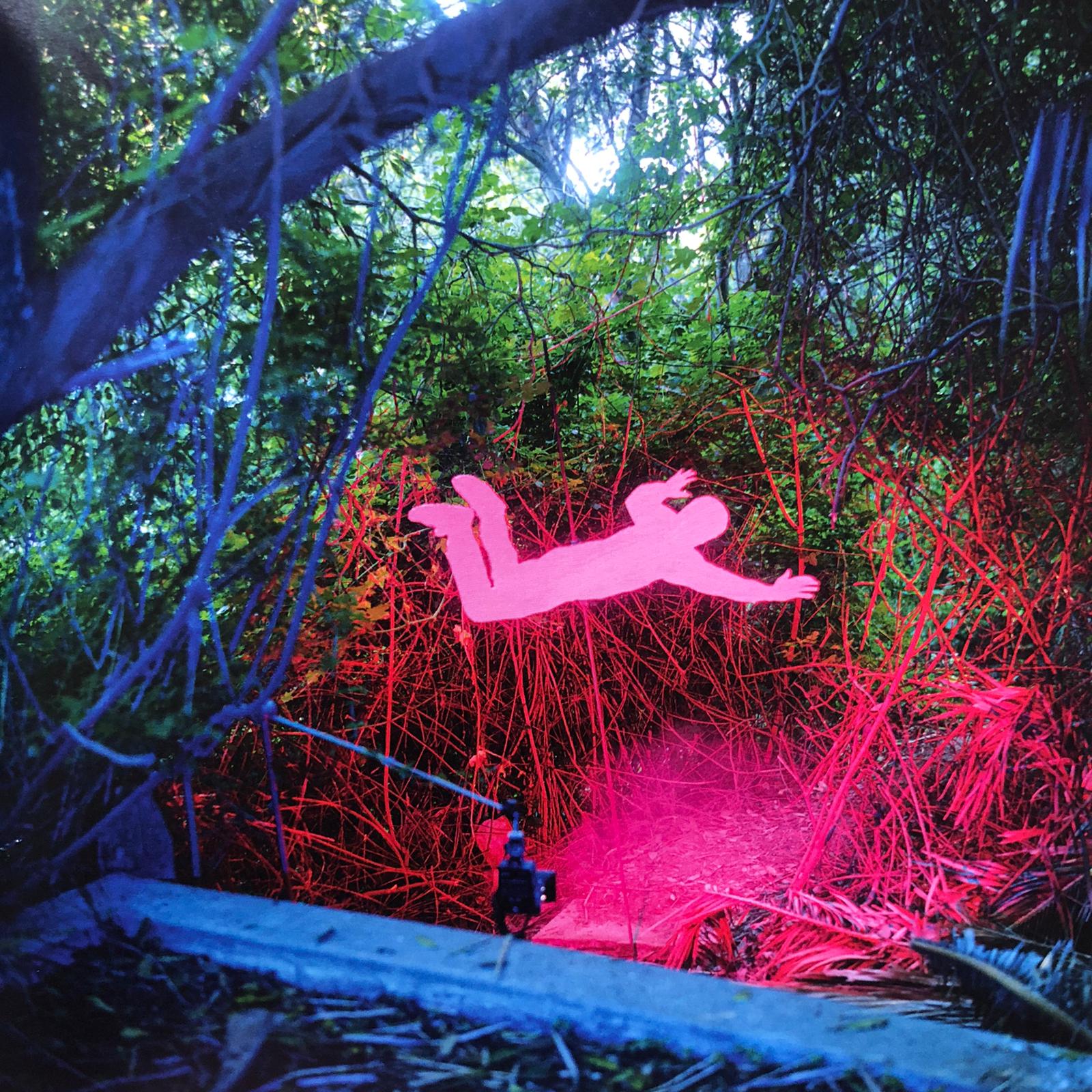
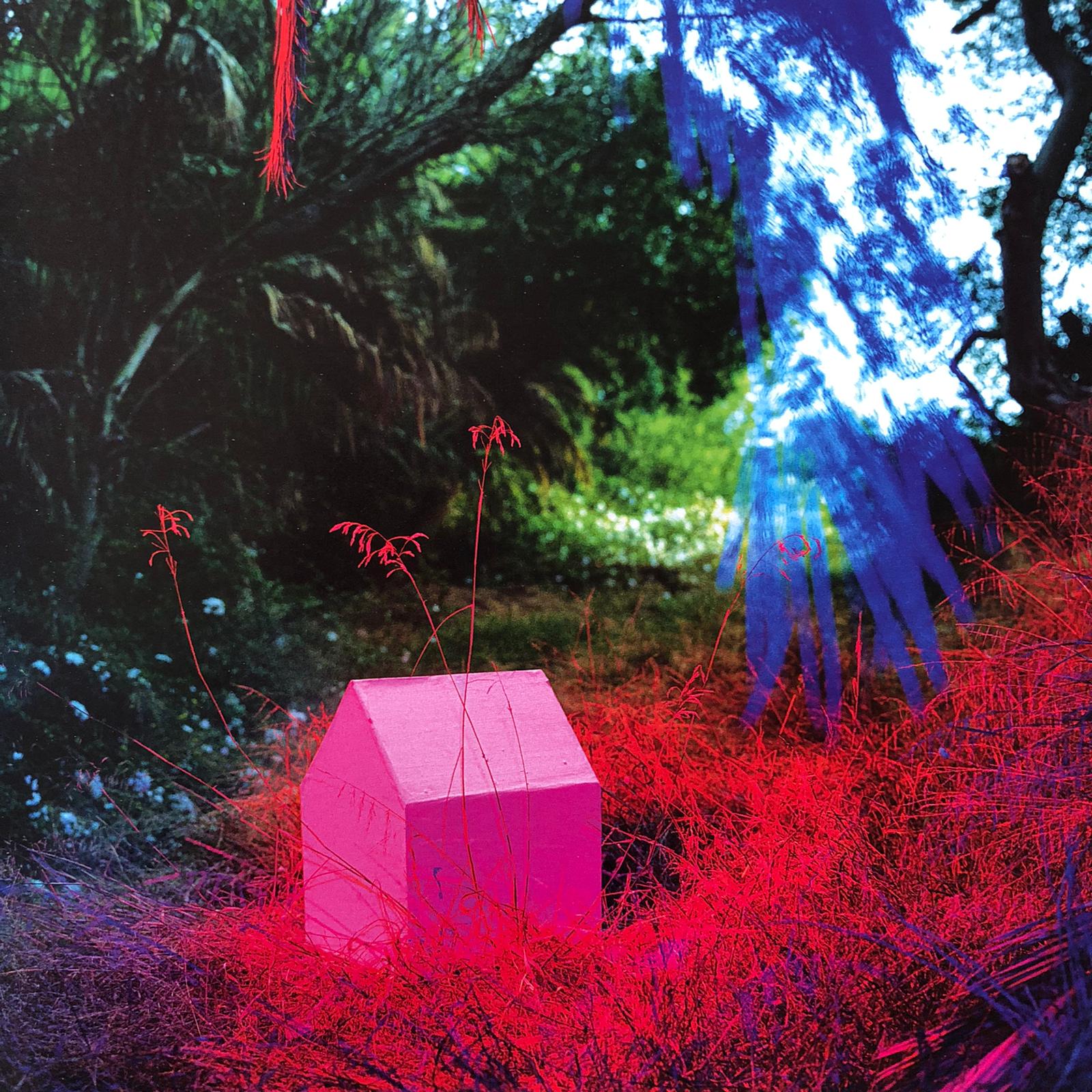
Excerpt from the interview by David Campany in the book. Immediately after Zuma I made some rather straightforward photographs of the abandoned MGM Studios New York City back lot, in Culver City, Los Angeles. These were in black and white. I then decided to try something entirely different and around 1980 I started a body of work about things you can’t photograph: Gravity, Magnetism, which way water drains, and the things I see when I press my eyes with the palms of my hands. All of these images required the construction of some kind of visual metaphor. […] At the same time, I was switching from color negative that I was using for Zuma to large format color transparency. I had become aware that the early C-type color prints faded badly and was trying to use a new, more stable material. This was Cibachrome, which printed from transparencies. It was very industrial and artificial, with deep color saturation and contrast. It was a very flawed material for conventional images but with unique properties that I ended up embracing for the Chroma images.
Related Links
Books by John Divola
Books by Skinnerboox



Description
Chroma by John Divola. First edition. First impression. Large format hardback in new condition. No markings. This is a new book. Please see pictures. PayPal accepted, any questions please get in touch.
About Chroma
Excerpt from the interview by David Campany in the book. Immediately after Zuma I made some rather straightforward photographs of the abandoned MGM Studios New York City back lot, in Culver City, Los Angeles. These were in black and white. I then decided to try something entirely different and around 1980 I started a body of work about things you can’t photograph: Gravity, Magnetism, which way water drains, and the things I see when I press my eyes with the palms of my hands. All of these images required the construction of some kind of visual metaphor. […] At the same time, I was switching from color negative that I was using for Zuma to large format color transparency. I had become aware that the early C-type color prints faded badly and was trying to use a new, more stable material. This was Cibachrome, which printed from transparencies. It was very industrial and artificial, with deep color saturation and contrast. It was a very flawed material for conventional images but with unique properties that I ended up embracing for the Chroma images.
Related Links
Books by John Divola
Books by Skinnerboox