Yami no Hikari
First edition of Yami no Hikari by Salvador Sàez (2024)
First impression
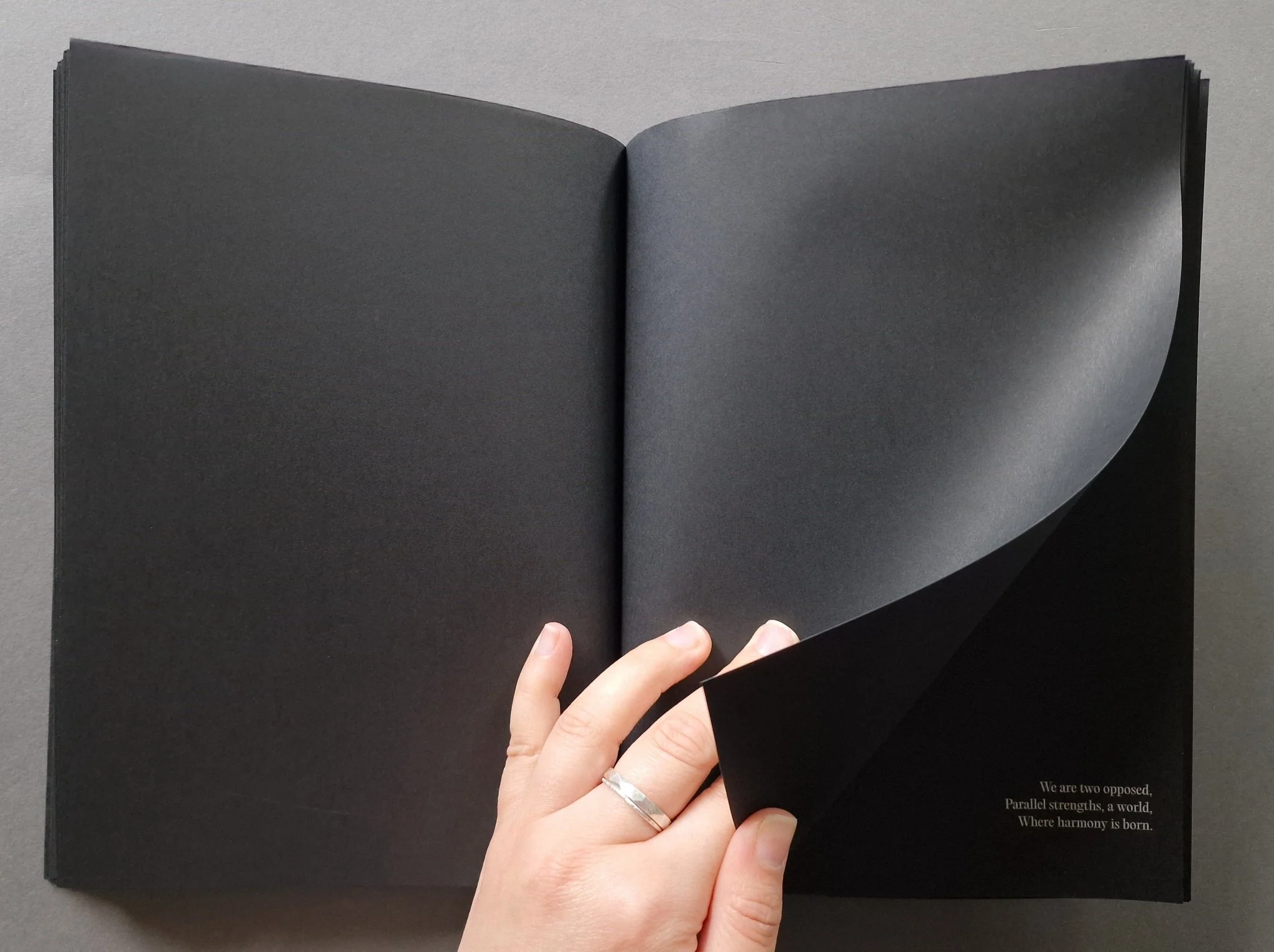
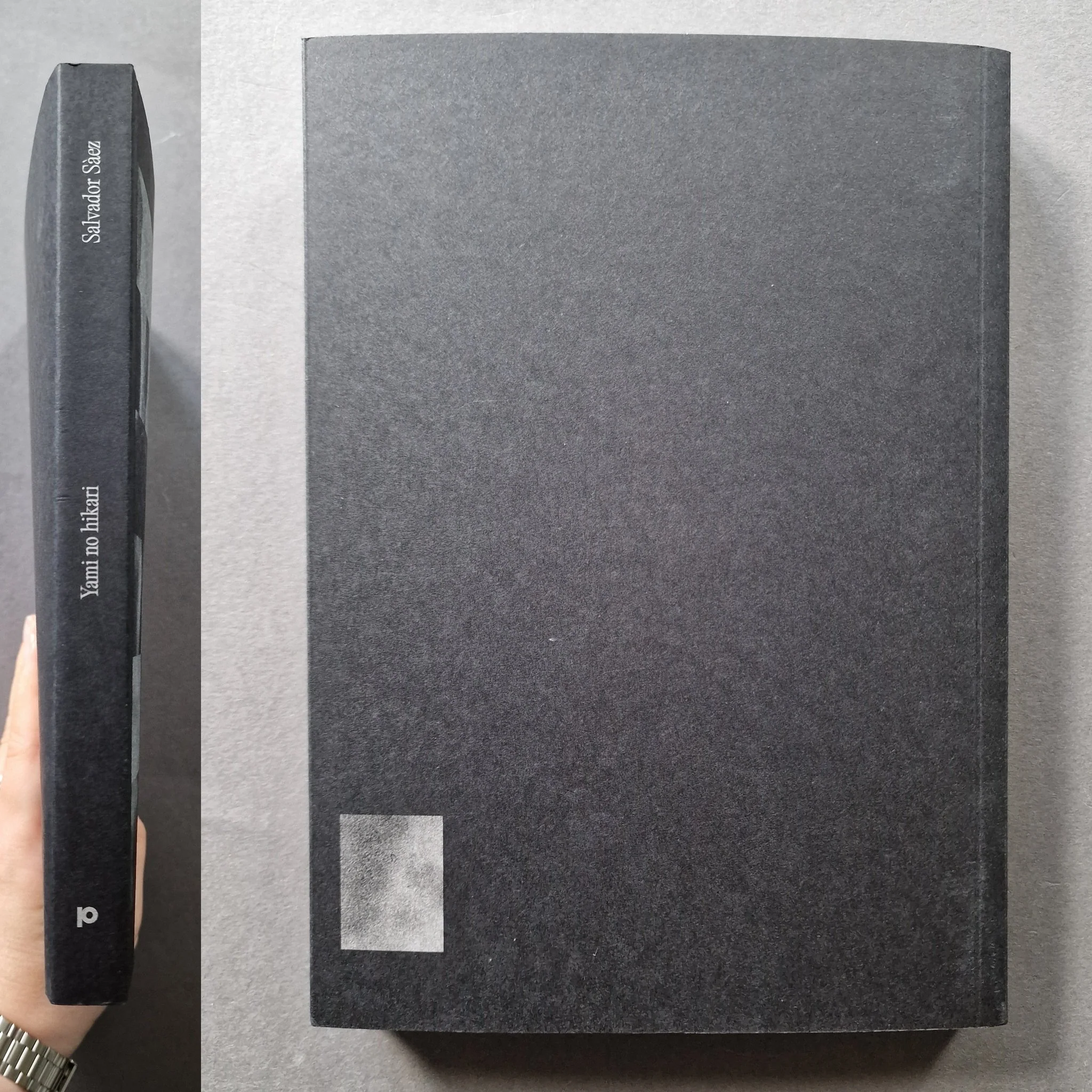
Medium format paperback in new condition
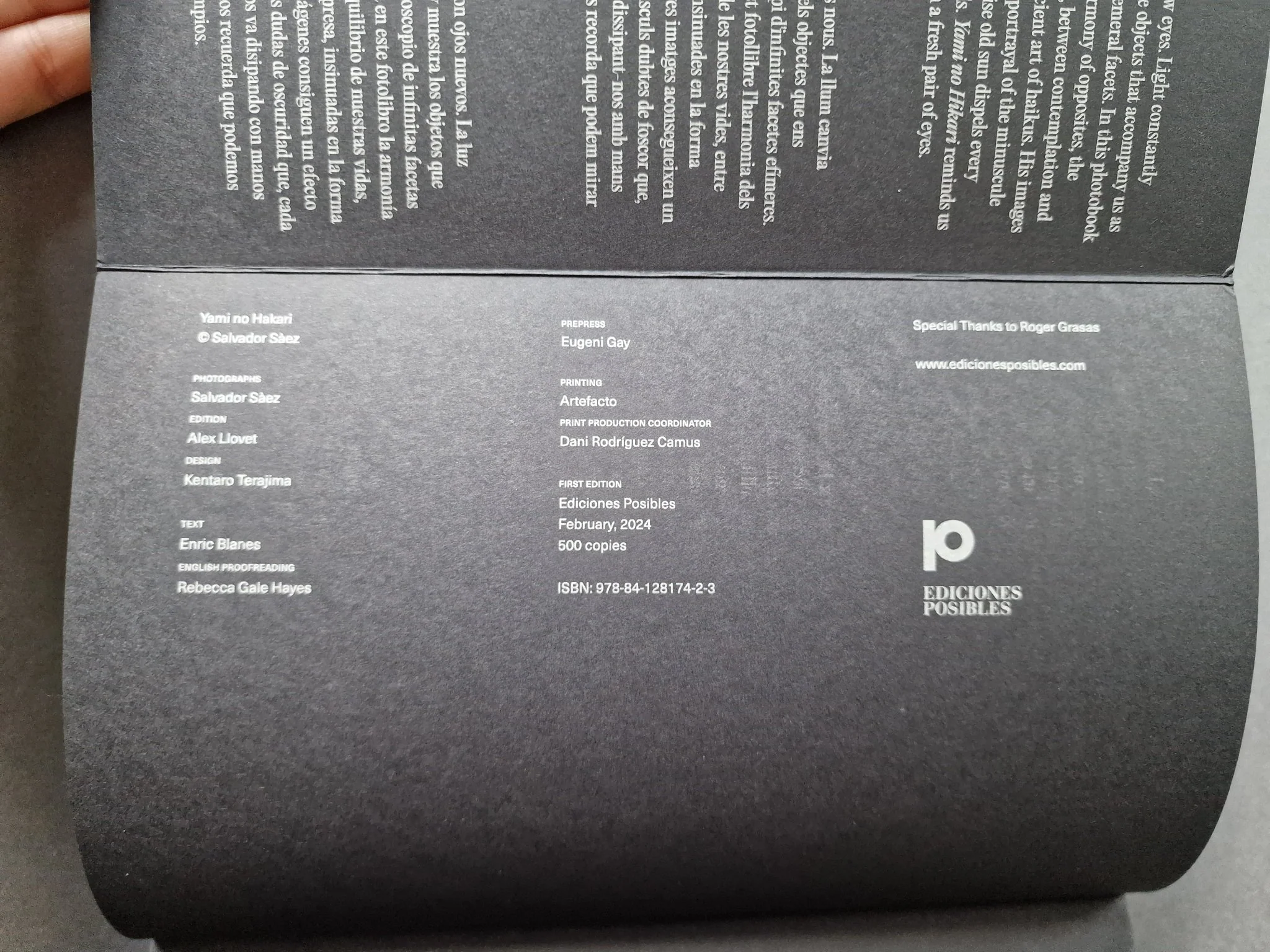
In an edition of 500 copies
About
Between 1831 and 1833, the Japanese artist Katsushika Hokusai created the famous series “36 Views of Mount Fuji,” the sacred mountain most revered by the Japanese, a volcano that has been dormant since 1708.
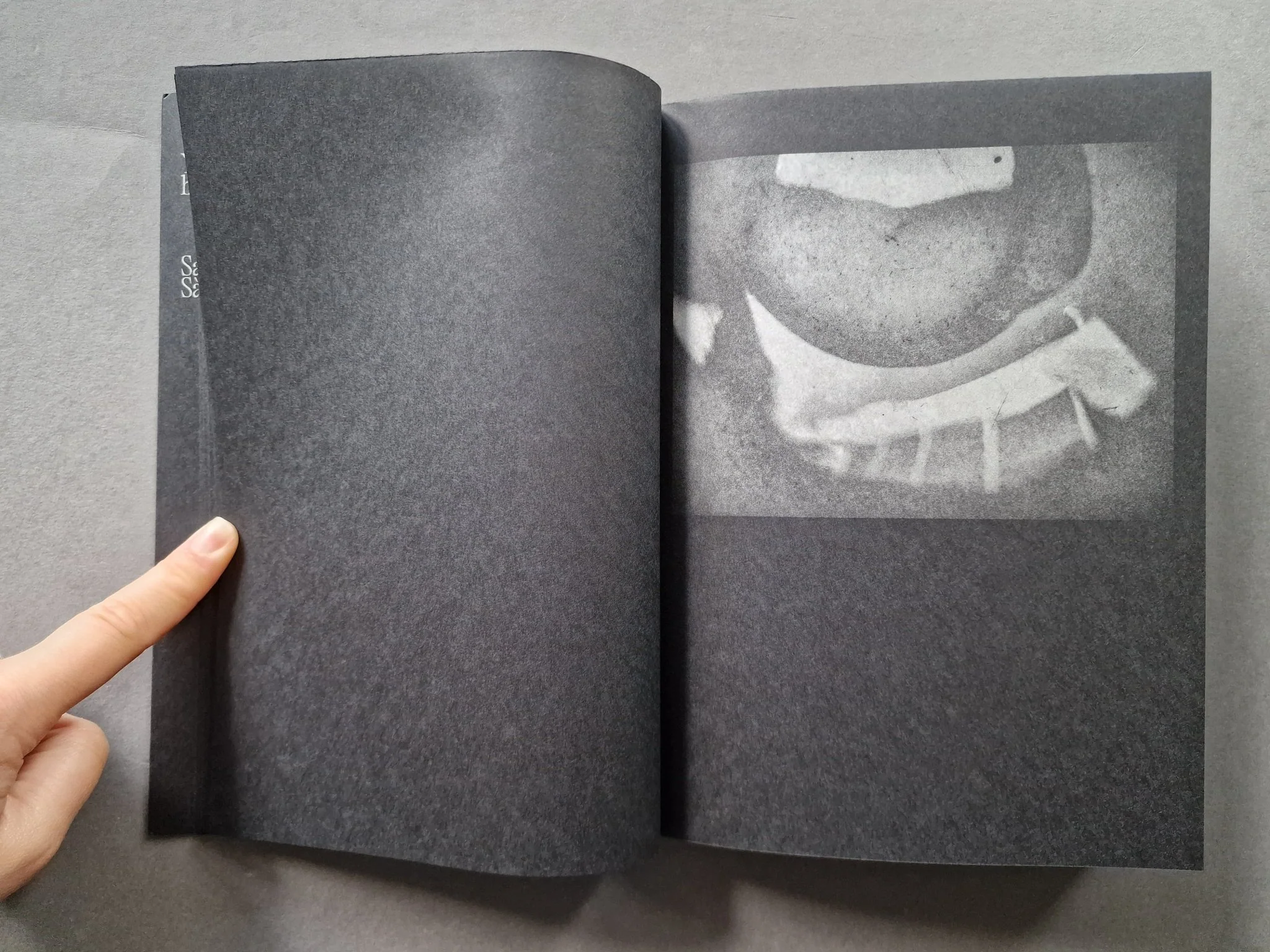
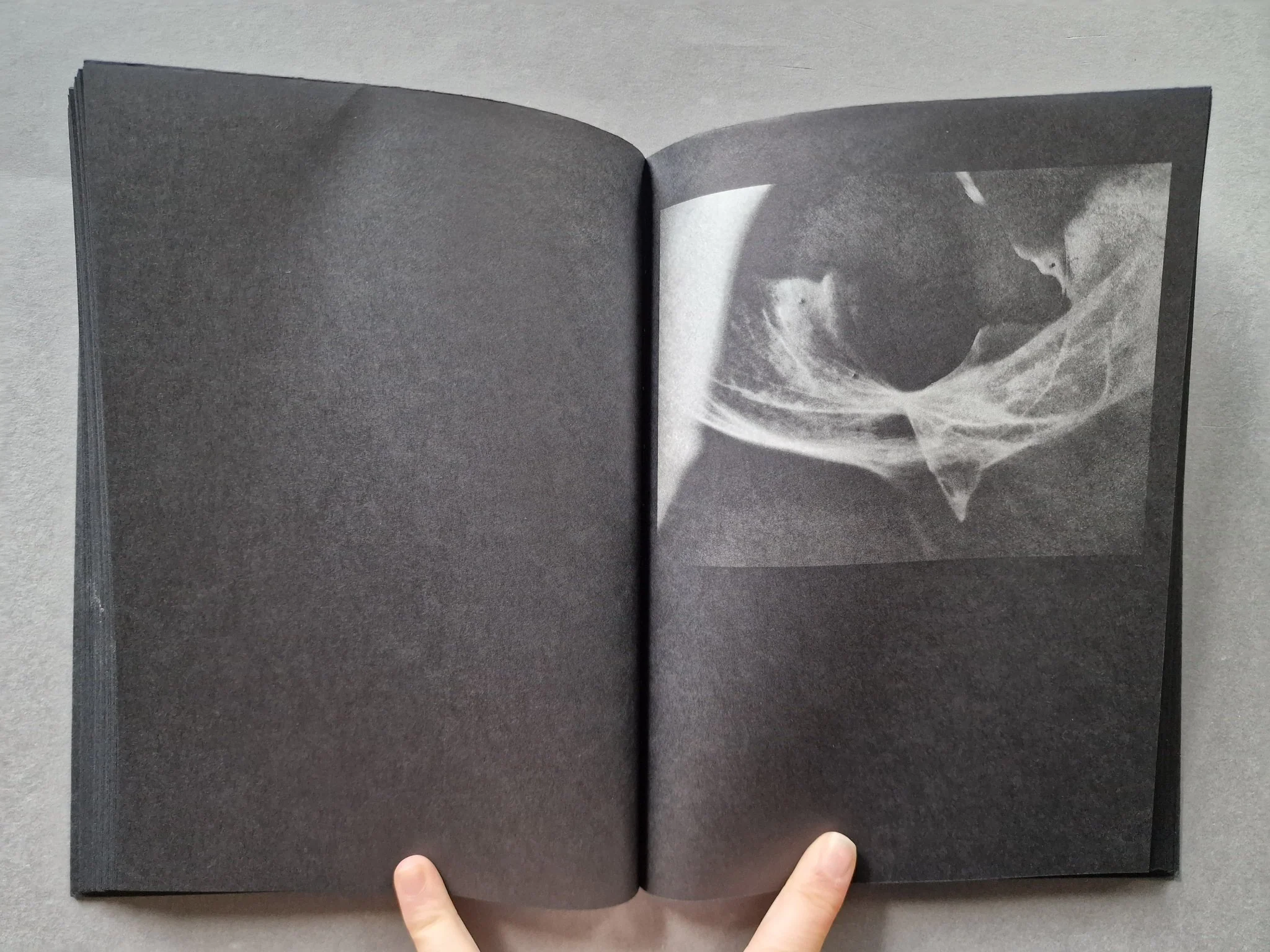
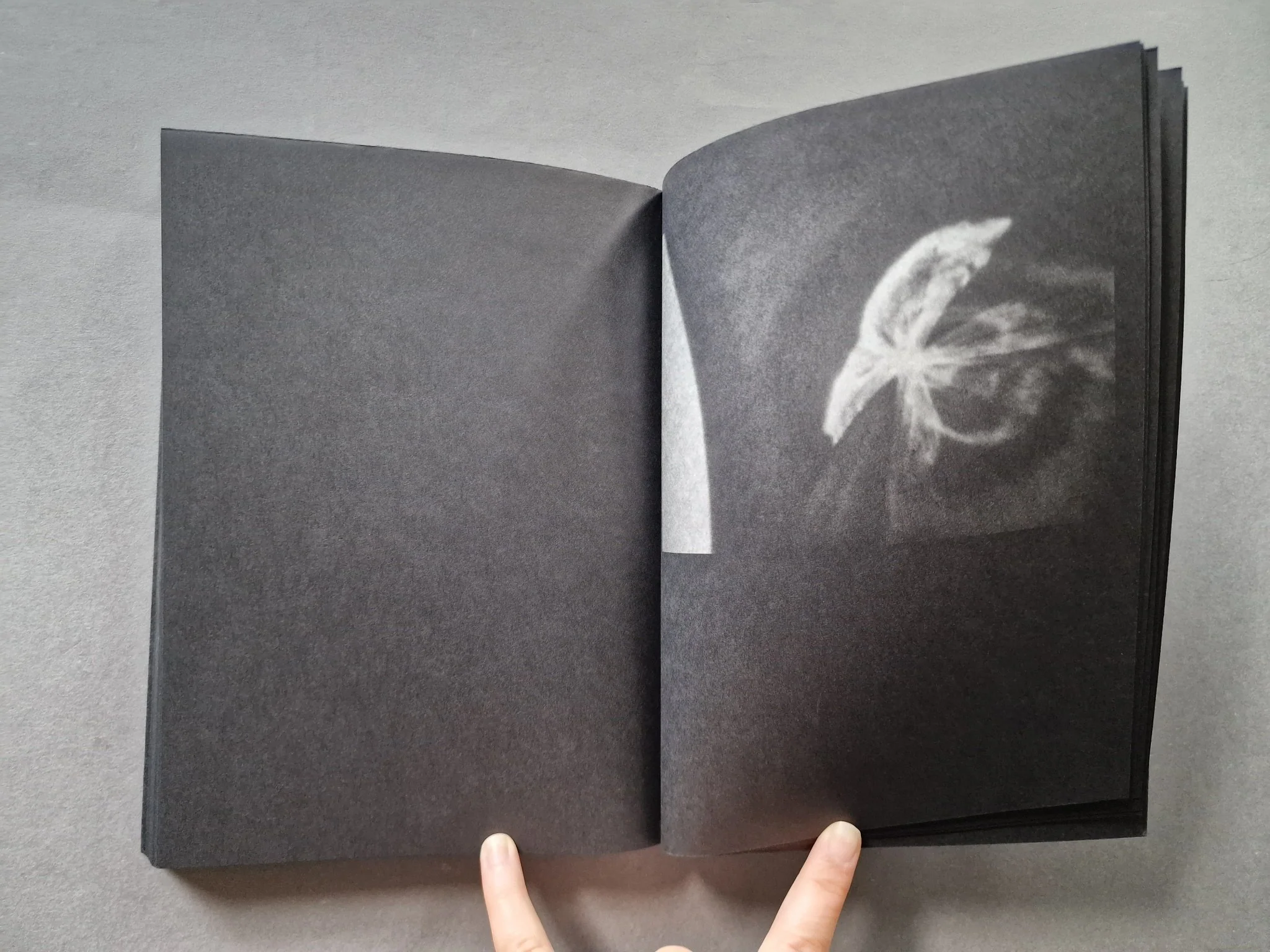
Almost two centuries later, Salvador Sàez uses an everyday object worn by the passage of time, the porcelain bowl he uses every day for breakfast, as a vehicle to capture a collection of 36 (+1) images that bring us closer to the beauty of “Uabi-sabi”, or how to perceive the extraordinary in something that could otherwise be considered banal. The continuous transformations that occur in the light reflected inside the bowl, as if it were the magma of the volcano, generate unique and unrepeatable images because, as in nature, the possibilities are infinite and what happens at a certain moment we will not be able to see it in the same way again, a fact that evokes the “Mono no aware” or praise of the ephemeral.
Original: $46.97
-65%$46.97
$16.44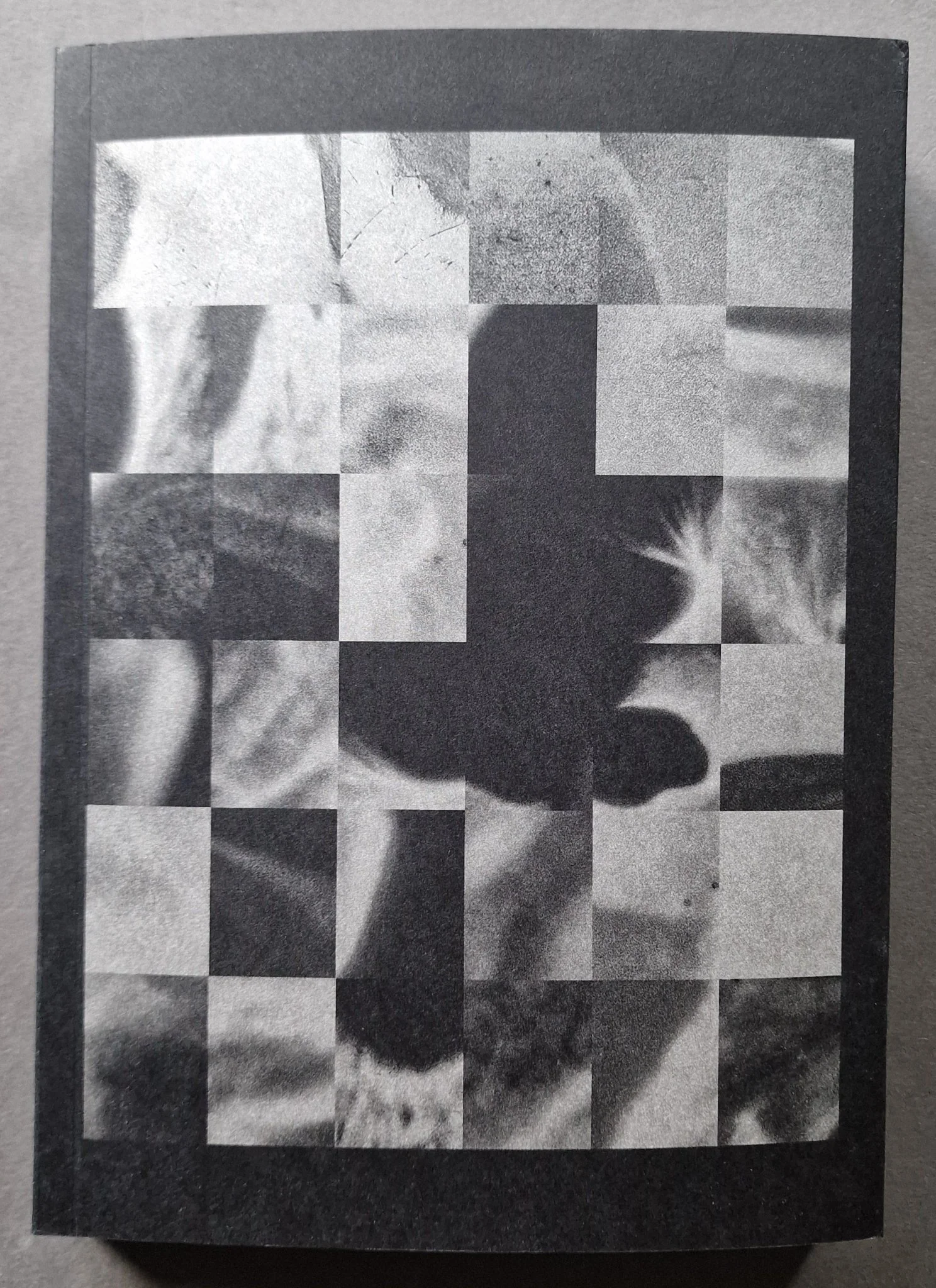

Description
First edition of Yami no Hikari by Salvador Sàez (2024)
First impression
Medium format paperback in new condition
In an edition of 500 copies
About
Between 1831 and 1833, the Japanese artist Katsushika Hokusai created the famous series “36 Views of Mount Fuji,” the sacred mountain most revered by the Japanese, a volcano that has been dormant since 1708.
Almost two centuries later, Salvador Sàez uses an everyday object worn by the passage of time, the porcelain bowl he uses every day for breakfast, as a vehicle to capture a collection of 36 (+1) images that bring us closer to the beauty of “Uabi-sabi”, or how to perceive the extraordinary in something that could otherwise be considered banal. The continuous transformations that occur in the light reflected inside the bowl, as if it were the magma of the volcano, generate unique and unrepeatable images because, as in nature, the possibilities are infinite and what happens at a certain moment we will not be able to see it in the same way again, a fact that evokes the “Mono no aware” or praise of the ephemeral.